
Keep What Is Yours
Partial Dentures in Scarborough
Replace the missing teeth, protect the healthy ones — a partial does both at once.
When some teeth are gone but many remain sound, the goal shifts: restore the gaps without sacrificing anything healthy. A partial denture does exactly that, slotting replacement teeth into the spaces while anchoring discreetly to the teeth you still have. At Midland and Eglinton, we design each partial around your specific pattern of missing teeth — and around keeping the rest of your smile intact for the long run.
New patients welcome — weekday and weekend availability.
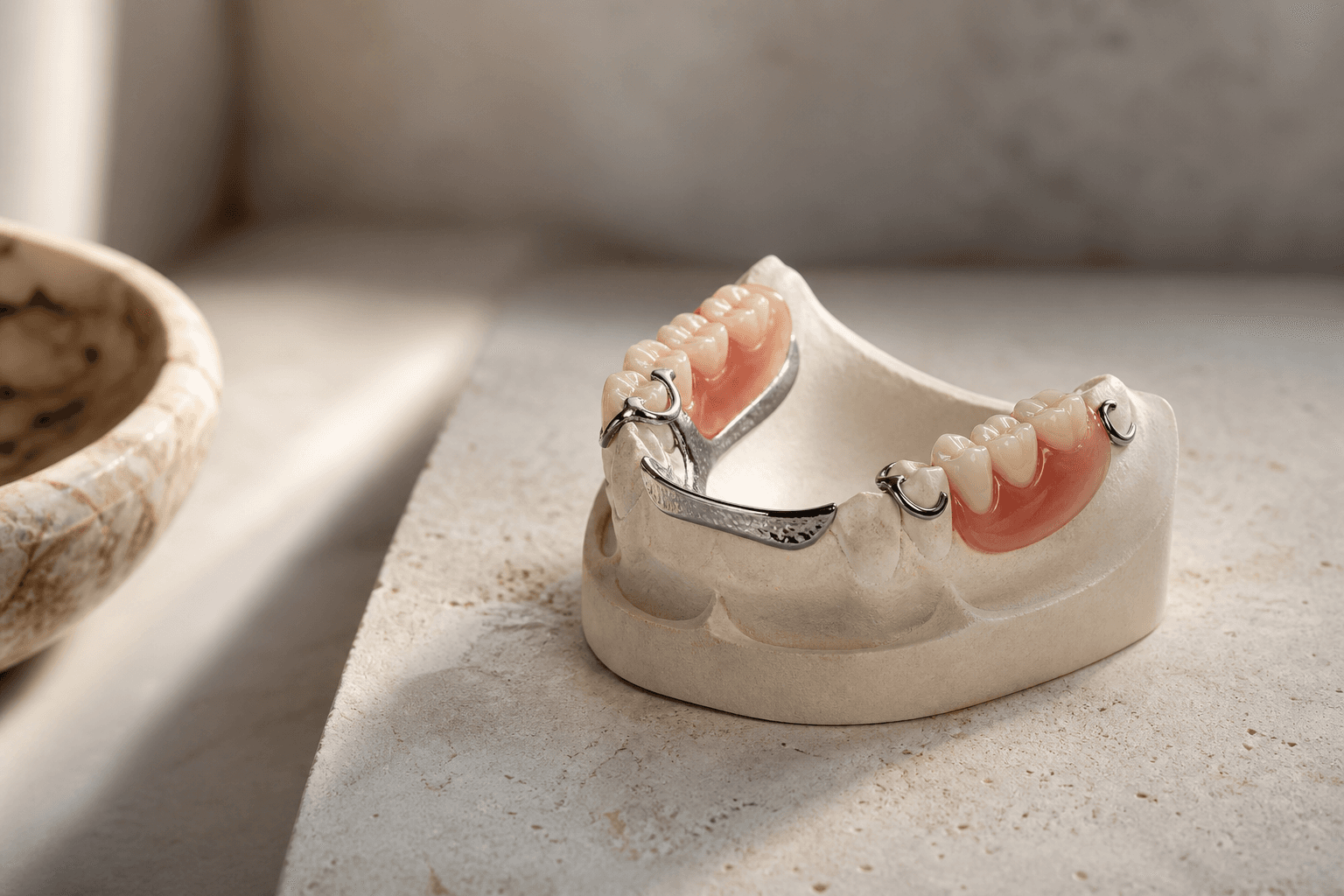
The middle path of tooth replacement
Tooth replacement is not all-or-nothing. Between a single implant on one end and a full denture on the other sits the partial: one removable appliance that can restore several gaps at once, even when they are scattered across different parts of the arch. Replacement teeth sit on a slim framework that rests against your natural teeth, held by clasps or discreet precision attachments, and the whole appliance lifts out for cleaning.
Beyond appearance, a partial does quiet structural work. Every gap in an arch invites neighbouring teeth to drift and opposing teeth to over-erupt, gradually distorting the bite. Filling those spaces keeps your remaining teeth where they belong — which is why we often frame a partial as protection for the teeth you have, not just replacement for the ones you lost.
Choosing your framework: cast metal or acrylic
Benefits
- Cast-metal frameworks are slim and rigid, gripping precisely and keeping their fit for years
- Acrylic versions cost less and serve well as transitional appliances while longer-term plans take shape
- Either type lifts out for easy cleaning and can be adjusted as your mouth changes
- Precision attachments can hide the anchoring hardware almost entirely for a cleaner look
Honest limits
- Acrylic bases run thicker and wear sooner than their cast-metal counterparts
- Depending on which teeth carry the clasps, a glint of metal may show in a wide smile
- Nightly removal and dedicated cleaning are non-negotiable parts of ownership
- The anchor teeth bear extra load, so their ongoing health determines the partial's future
Have questions about partial dentures? Talk to us — our team is happy to walk you through it.
Request AppointmentFour visits to a finished partial
Assessment and framework choice
We chart which teeth are missing, evaluate the strength of the potential anchor teeth, and talk through cast-metal versus acrylic in terms of your priorities — durability, budget, and how the clasps will sit.
Capturing your anatomy
Precise impressions or digital scans record your teeth and gums so the laboratory can build a framework that seats cleanly and grips without strain.
Metal framework verification
For cast-metal designs, the bare framework is tried in first — confirming a passive, accurate fit before the replacement teeth and gum-toned base are added on top.
Delivery and coaching
The finished partial is seated, the bite is balanced, and we make sure you can insert, remove, and clean it confidently before you head home.
When a partial is the smart choice
This option tends to rise to the top when:
- Multiple teeth are gone but solid natural teeth remain to anchor an appliance
- The gaps are distributed around the arch, where one bridge could never span them all
- You would rather not have healthy neighbouring teeth reshaped, as a fixed bridge requires
- Implants are off the table for now — whether for bone, health, or budget reasons
- Flexibility matters, since a removable appliance can often be modified if your needs change
What goes into a partial denture quote
The framework material sets the baseline, and from there the fee scales with the scope of the design and the condition of the teeth that will anchor it.
- Cast-metal versus acrylic construction
- How many replacement teeth the design carries
- Preparatory work on the anchor teeth, where any is needed
- Standard clasps versus concealed precision attachments
Once we have examined your remaining teeth and settled on a framework together, you receive a written quote for the complete appliance — and our team checks how your insurance or CDCP benefits may apply before anything is ordered.
Learn more about using your dental insurance or the Canadian Dental Care Plan.
Frequently asked questions
Related treatments
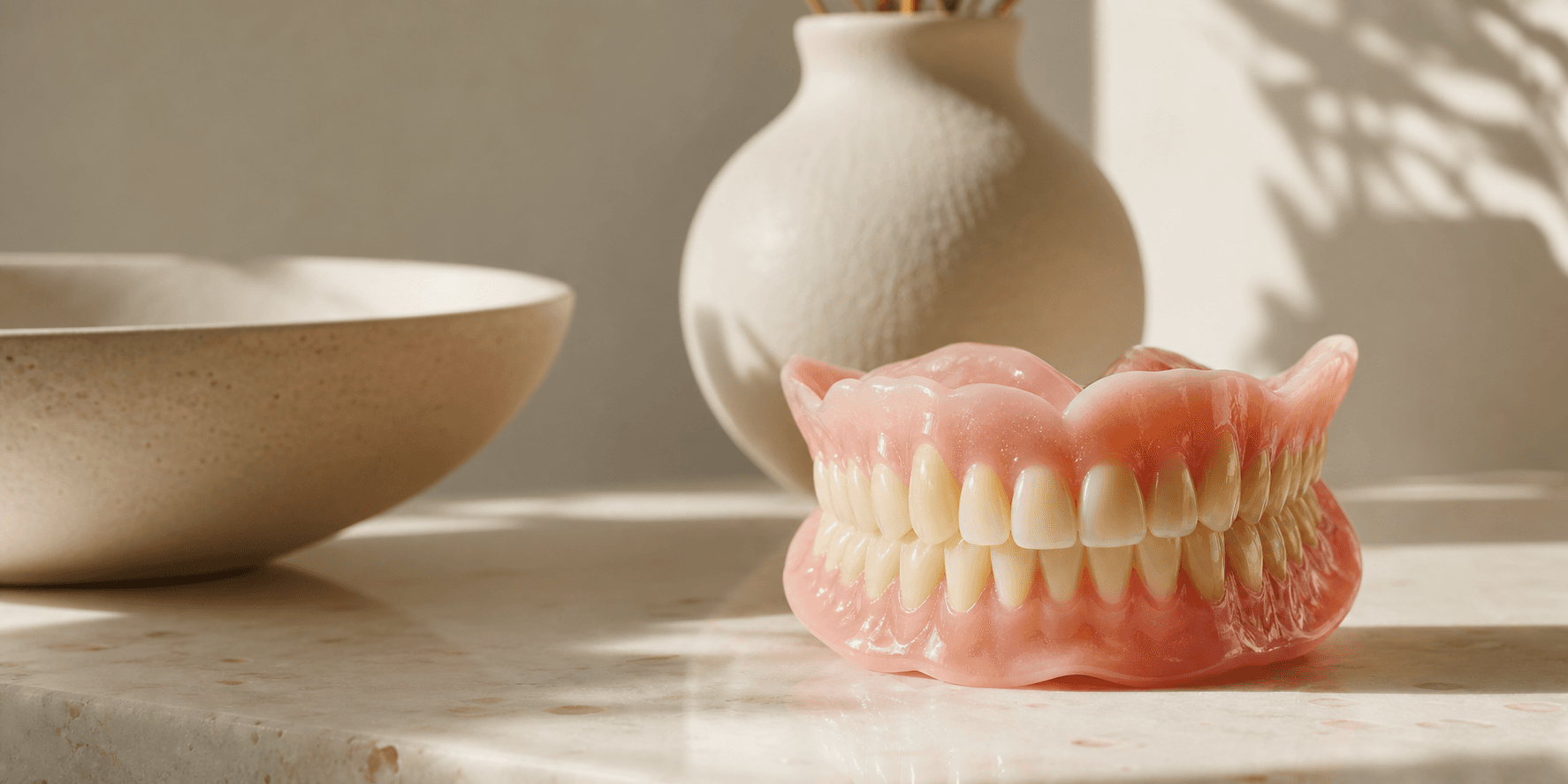
Dentures
Dentures designed around your face and refined until they genuinely work — not handed over and forgotten.
Learn more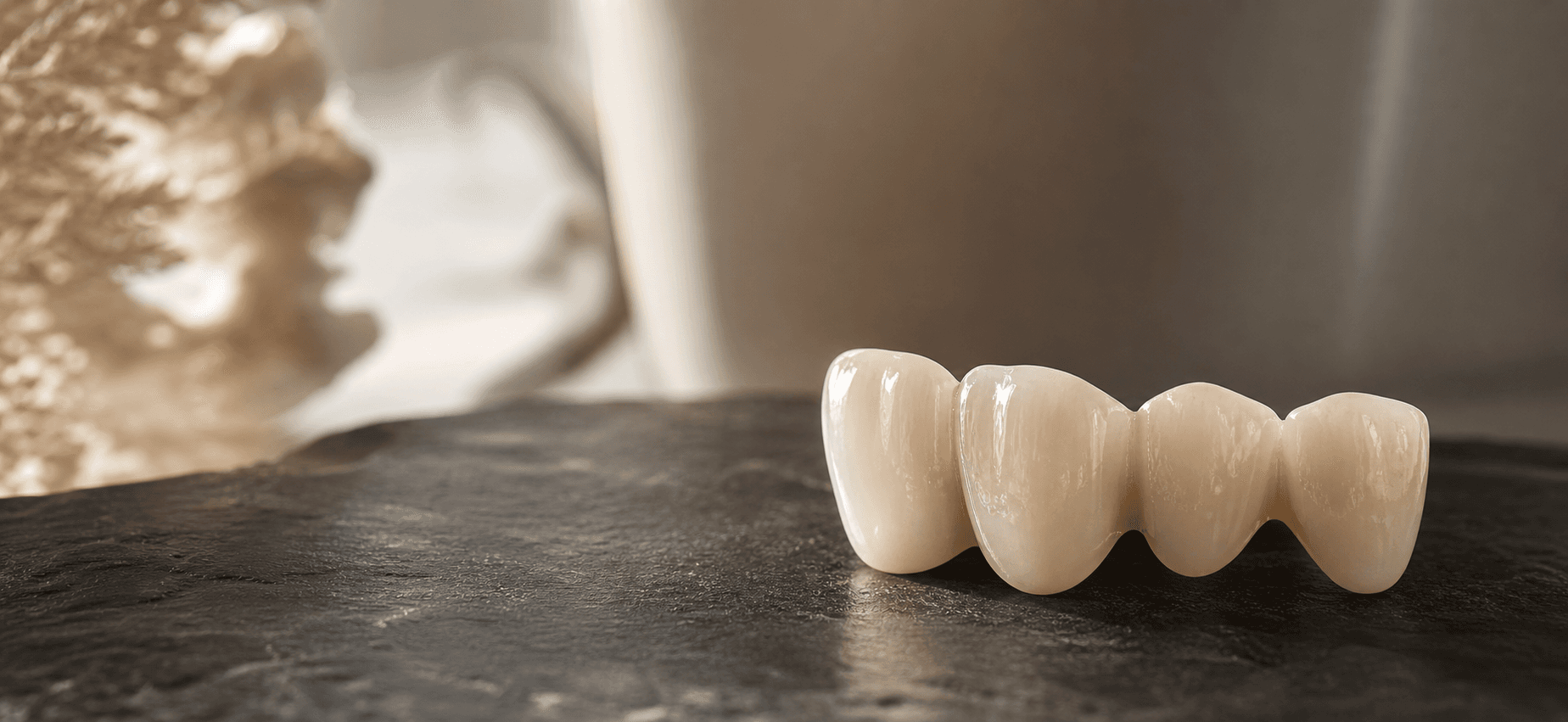
Dental Bridges
One missing tooth changes how you chew, speak, and smile. A fixed bridge closes that gap with a restoration that never leaves your mouth.
Learn more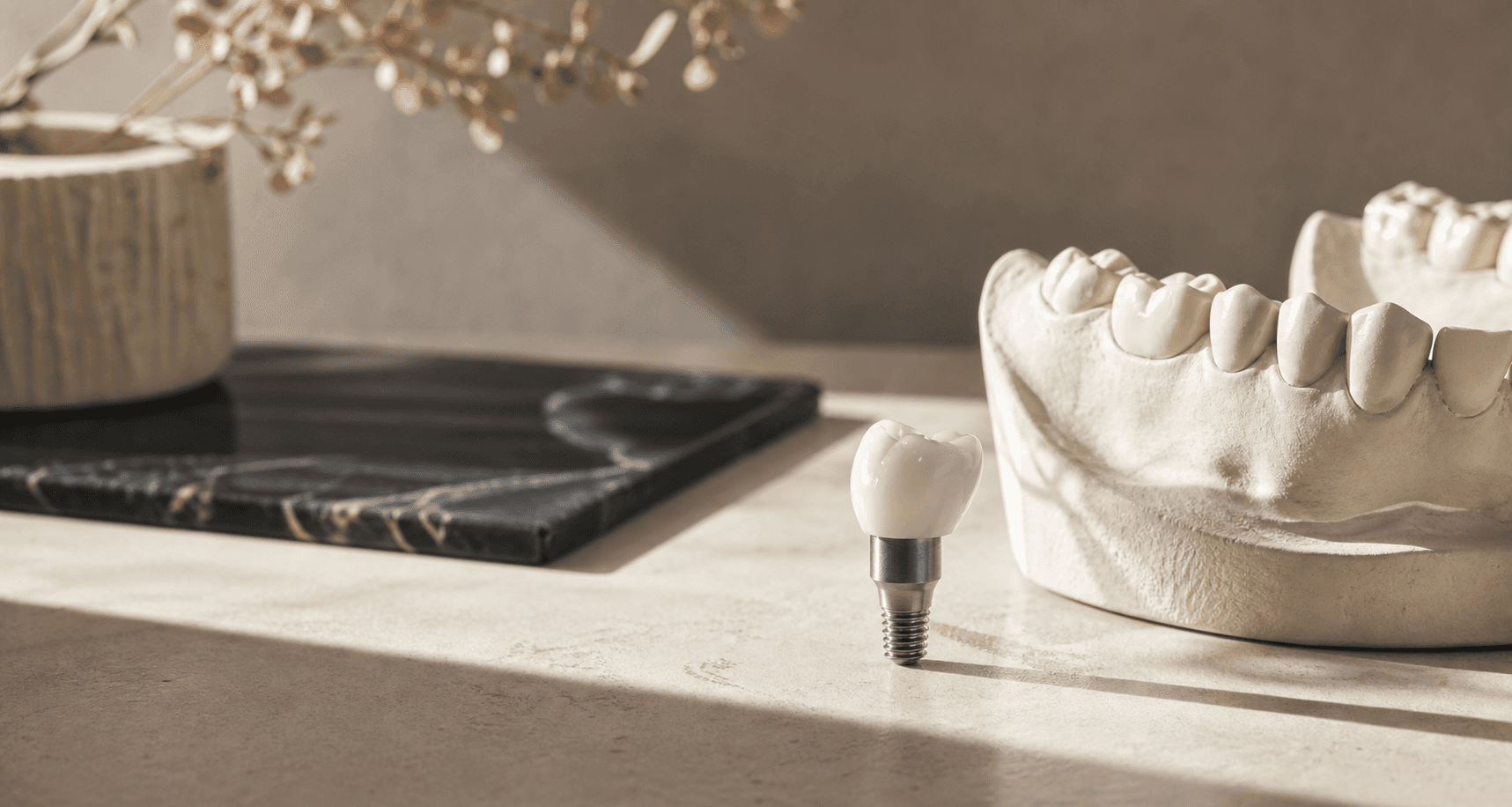
Implant Crowns
Your implant did the structural work — the crown is where it becomes a tooth again.
Learn moreReady to talk about partial dentures?
Replace the missing teeth, protect the healthy ones — a partial does both at once.