
Close the Gap, Permanently
Dental Bridges in Scarborough
One missing tooth changes how you chew, speak, and smile. A fixed bridge closes that gap with a restoration that never leaves your mouth.
A bridge borrows strength from the teeth beside a gap to hold a lifelike replacement tooth permanently in place — no removing it at night, no adhesives, no fuss. At Midland Dental Center, on Eglinton Avenue East in Scarborough, we will give you a straight answer on whether a bridge or an implant serves you better, because the right choice depends on your mouth, not on what we happen to be selling.
New patients welcome — weekday and weekend availability.
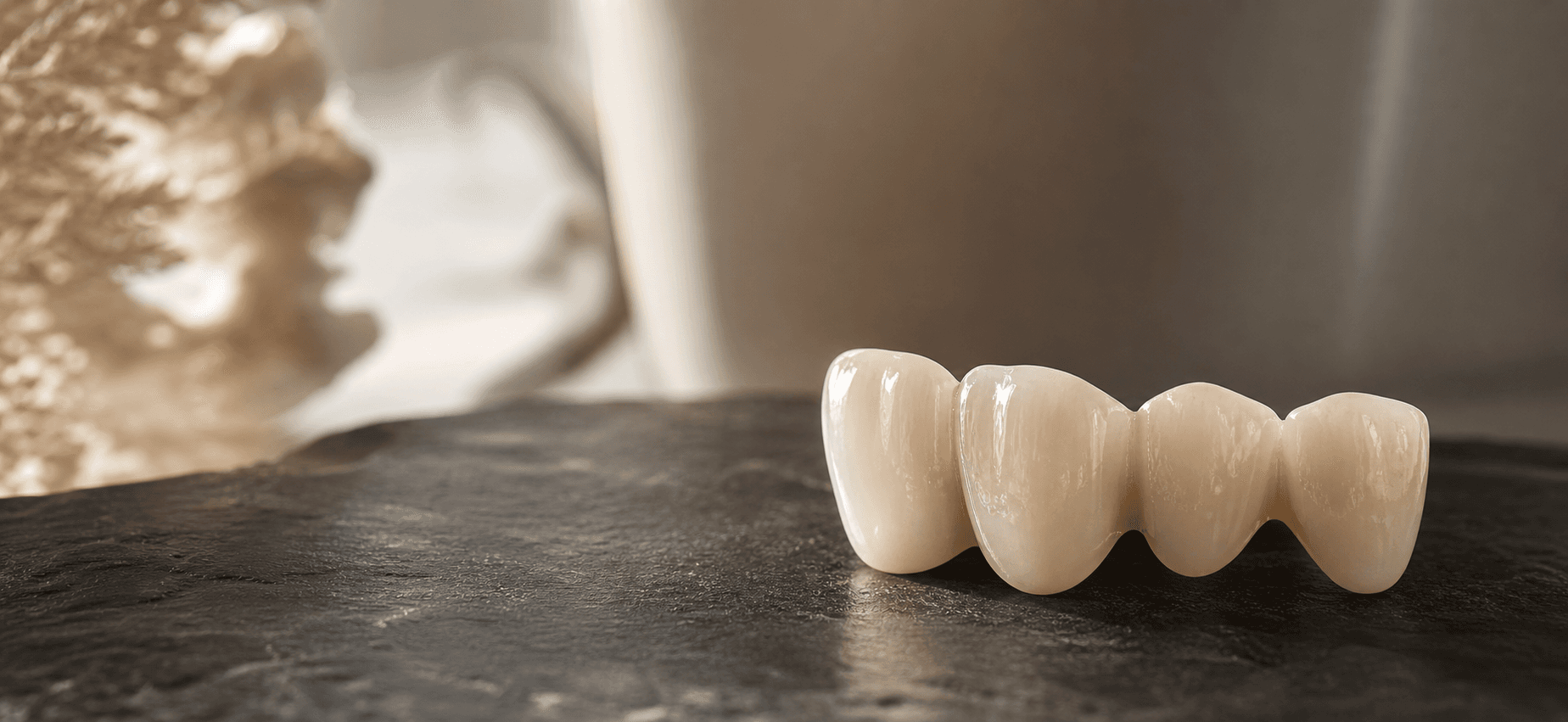
Three units working as one tooth
A traditional bridge is a single connected piece with three working parts: a crown on each tooth flanking the gap, and a replacement tooth — the pontic — suspended between them. Cemented into place, the whole unit functions as seamlessly as the teeth it joins, restoring your chewing surface and filling the visible space in one restoration.
Why close a gap at all? Because teeth are social — they lean on their neighbours. Leave a space open long enough and the adjacent teeth begin drifting into it, the opposing tooth can over-erupt into the void, and your bite slowly reorganizes itself around the missing tooth. A bridge stops that quiet migration while giving you back a full smile and comfortable chewing.
Every bridge we place is fabricated to match the shade and contours of your natural teeth, so the finished result reads as three ordinary teeth rather than dental work. For patients with sturdy teeth on both sides of a gap, it remains one of the most dependable, time-tested ways to replace what was lost.
When a bridge makes particular sense
A fixed bridge tends to be the right call in situations like these:
- The teeth flanking the gap are sound and sturdy enough to carry crowns
- Those neighbouring teeth already carry large fillings or crowns, so crowning them adds protection rather than sacrificing pristine enamel
- You want the gap closed in weeks, not the months an implant needs to integrate with bone
- Surgery is something you would rather avoid, whether for medical or personal reasons
- The bone beneath the gap has receded enough that an implant would first require grafting
Have questions about dental bridges? Talk to us — our team is happy to walk you through it.
Request AppointmentThe road from gap to finished bridge
Candid assessment
We evaluate the gap, the health of the neighbouring teeth, and your gums, then lay out the realistic options — bridge, implant, or partial denture — with the honest pros and cons of each for your specific mouth.
Shaping the anchor teeth
Under local anaesthetic, the two supporting teeth are contoured to receive their crowns, and a detailed impression or digital record captures every surface for the fabrication of your bridge.
Protection while you wait
A temporary bridge goes on the same day, guarding the prepared teeth, holding the space, and keeping your smile and chewing intact during the weeks your permanent bridge is being crafted.
Cementing the final restoration
When the finished bridge arrives, we verify the fit against your bite and the shade against your natural teeth, refine anything that is even slightly off, and then bond it permanently into place.
Bridge or implant? The trade-offs, plainly stated
Benefits
- Speed — a bridge is typically finished within a few weeks, while implants play out over months
- No surgical step, which matters to patients who cannot or prefer not to undergo one
- Works even where jawbone has receded, since it relies on teeth rather than bone for support
- Halts the drifting and over-eruption that an open gap invites, and restores confident chewing
Honest limits
- The anchor teeth must be shaped down to carry crowns — a permanent alteration to those teeth
- The bone under the replacement tooth receives no chewing stimulation, so gradual bone loss there can continue
- The three units share one fate: trouble in a supporting tooth can compromise the entire bridge
- An implant stands independently and spares the neighbours entirely — its advantage in exchange for surgery and a longer timeline
What shapes the cost of a bridge
The two biggest variables are span and material — how many teeth the bridge must replace, and what the crowns and pontic are made from.
- The width of the gap and the number of replacement teeth required
- The material chosen for the crowns and the suspended tooth between them
- Any groundwork the anchor teeth need first, such as fillings or root canal treatment
- What your insurance covers, and whether CDCP applies to your circumstances
You receive a written quote after your exam, and if you are weighing a bridge against an implant, we will put the two estimates side by side so you can compare on real numbers rather than guesswork.
Learn more about using your dental insurance or the Canadian Dental Care Plan.
Frequently asked questions
Related treatments
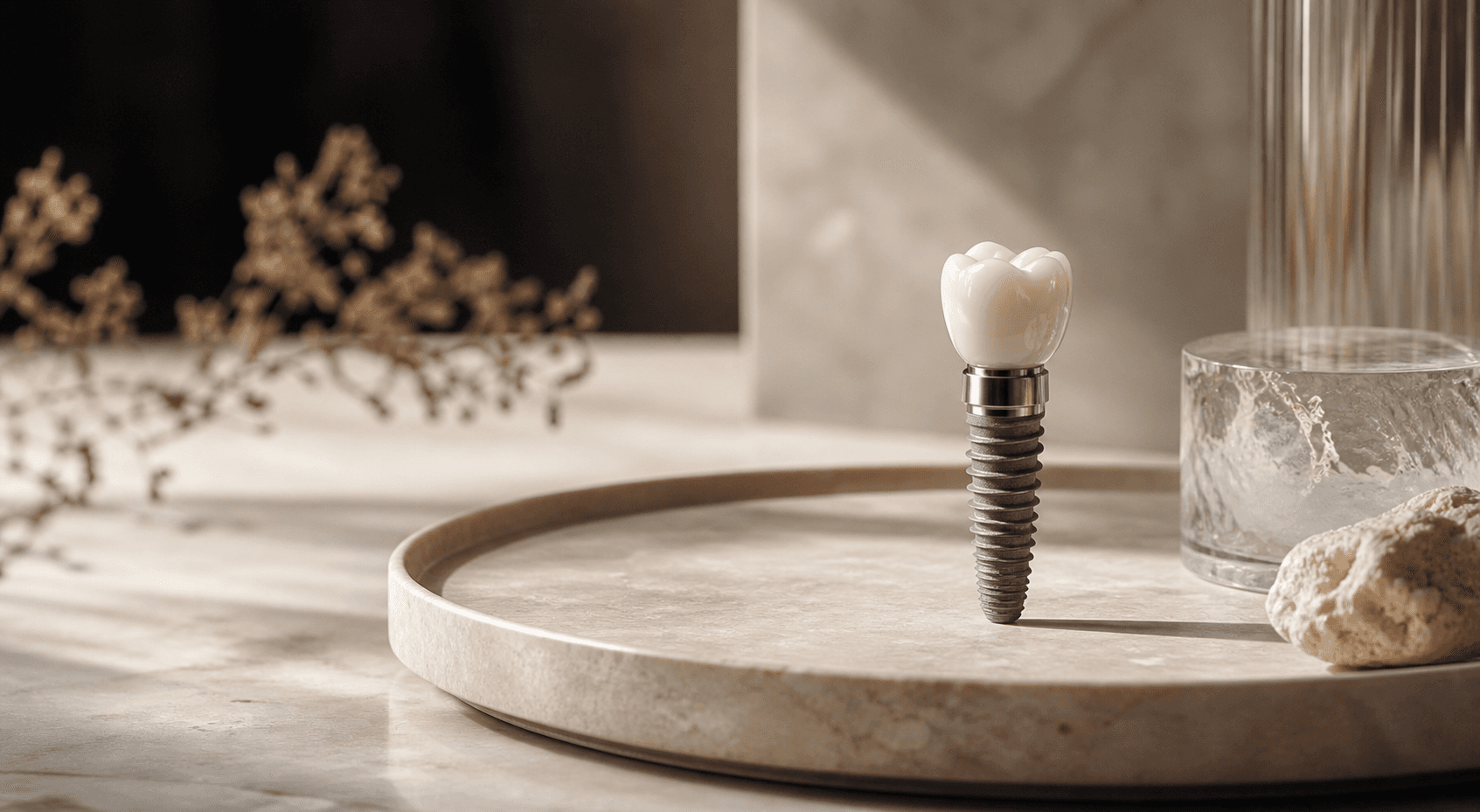
Dental Implants
Replacement teeth anchored in bone — planned with modern imaging, placed with care, and built to work for decades.
Learn more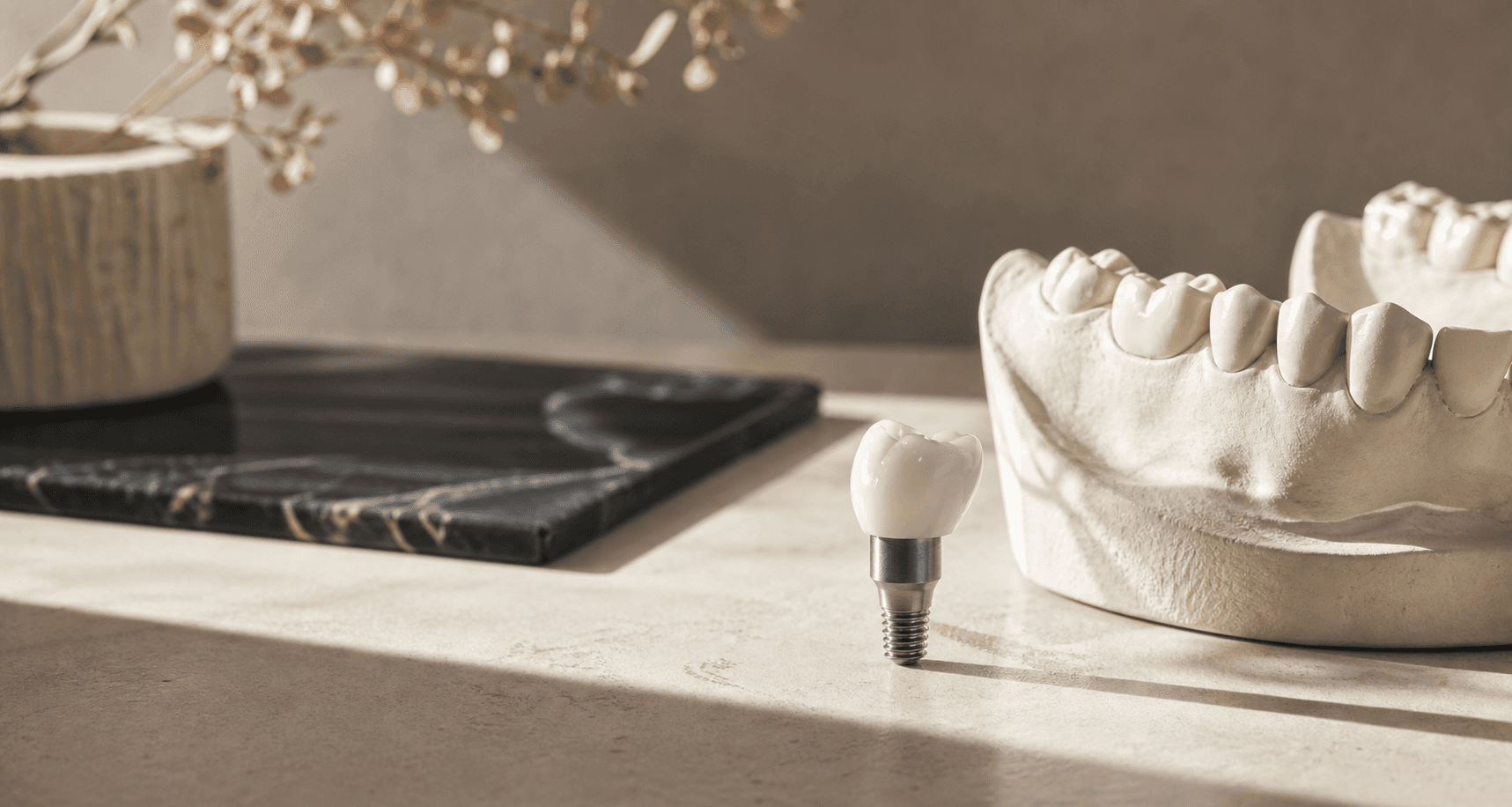
Implant Crowns
Your implant did the structural work — the crown is where it becomes a tooth again.
Learn more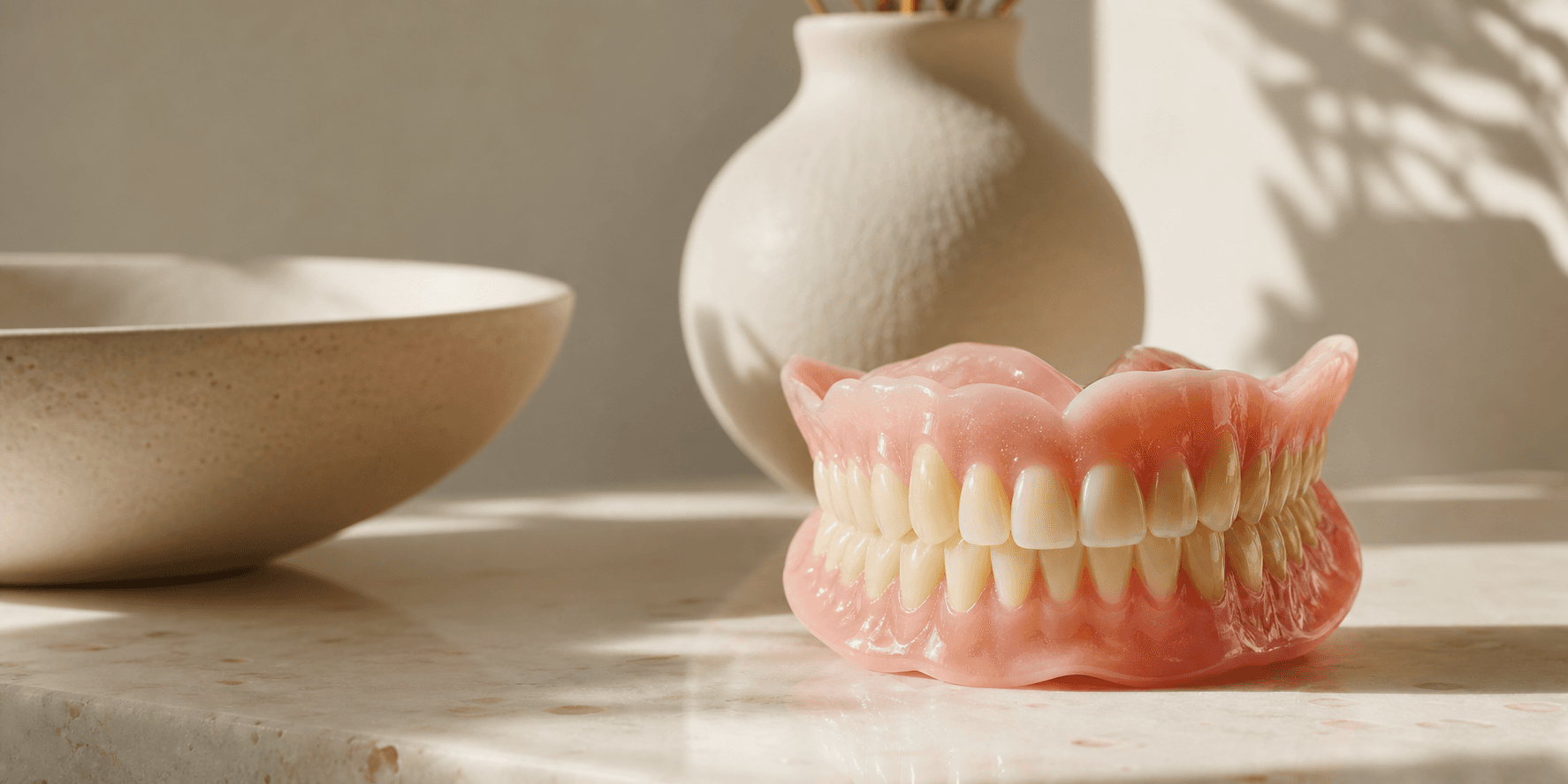
Dentures
Dentures designed around your face and refined until they genuinely work — not handed over and forgotten.
Learn moreReady to talk about dental bridges?
One missing tooth changes how you chew, speak, and smile. A fixed bridge closes that gap with a restoration that never leaves your mouth.