
One Visit, Enamel Intact
Dental Bonding in Scarborough
Small flaws sculpted away chairside, with your natural tooth left almost entirely alone.
Of every cosmetic treatment we offer at Midland Dental Center, bonding is the most conservative: a tooth-coloured composite shaped by hand directly onto the tooth, cured with light, and polished to match its neighbours — usually inside a single appointment at our clinic at Midland and Eglinton. No lab, no waiting, and in most cases no drilling into healthy enamel.
New patients welcome — weekday and weekend availability.
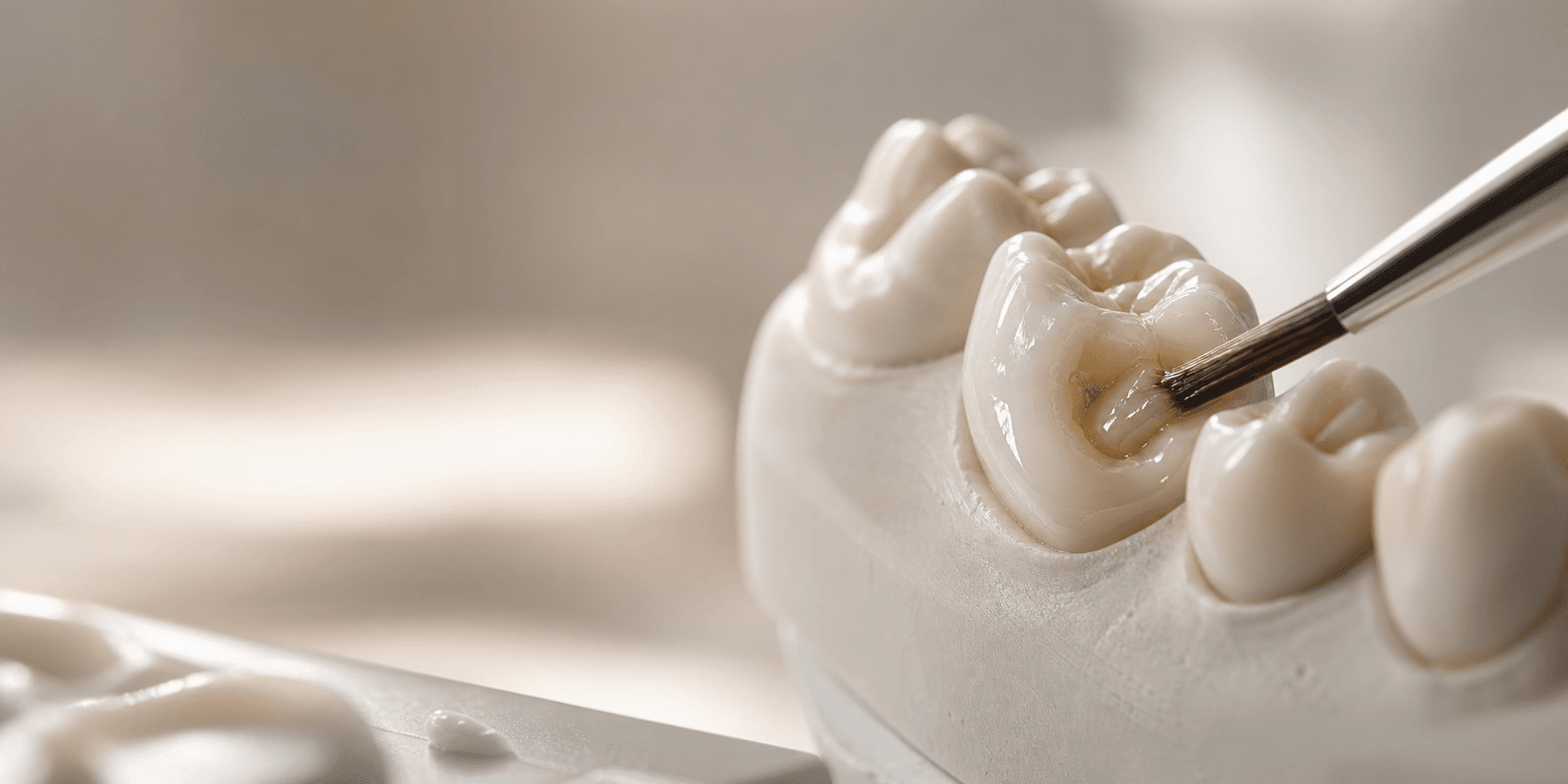
The most conservative fix in cosmetic dentistry
Bonding earns its reputation on restraint. Where veneers and crowns involve reshaping the tooth to receive them, composite resin bonds to enamel that has merely been conditioned, not cut. That makes it the natural first answer for a chipped corner, a worn edge, a stubborn white or brown spot, or a gap that photographs larger than it measures. If a fix can be reversed or revised later, it keeps your options open — and bonding is that fix.
The skill lives in the sculpting. Your dentist builds the resin in translucent layers, curing each with light, then shapes and polishes until the repair disappears into the tooth around it. Done well, the boundary between composite and enamel is invisible at conversational distance. It is genuinely hand-craftsmanship, performed at the chair while you watch in a mirror at the end.
Honesty about scope matters here too. Composite is not porcelain: it dulls and picks up stain sooner, and it will not survive the forces a crown handles. For a modest flaw, that trade is excellent value. For a heavily broken tooth or a whole-smile redesign, it is the wrong tool, and we will say so at your exam rather than let a small fix be stretched past its strength.
Where bonding shines and where it strains
Benefits
- Typically finished in one appointment, with no laboratory stage or temporary to wear.
- Preserves healthy tooth structure — usually no drilling and no anaesthetic needed.
- The most budget-friendly entry into cosmetic dentistry, priced per tooth.
- Repairable and revisable: composite can be refreshed, adjusted, or replaced without starting over.
- A low-commitment way to trial a cosmetic change before considering porcelain.
Honest limits
- Composite gradually absorbs stain from coffee, tea, wine, and smoking in a way porcelain does not.
- Under heavy bite force it chips more readily than a veneer or crown would.
- Expect touch-ups over the years — durability is measured in years, not decades.
- Larger gaps, significant misalignment, or extensive damage call for orthodontics, veneers, or crowns instead.
Have questions about dental bonding? Talk to us — our team is happy to walk you through it.
Request AppointmentInside a bonding appointment
Assessment and shade selection
Your dentist examines the tooth, confirms bonding is the right tool for the flaw, and selects a composite shade against your neighbouring teeth in natural light so the repair blends rather than announces itself.
Gentle conditioning
The tooth surface is etched with a mild conditioning gel that helps the resin grip. This step is painless and spares the enamel — most bonding visits involve no needle at all.
Layered sculpting
Composite goes on in thin increments, each shaped by hand and set with a curing light. Building in layers is what creates the depth and translucency that makes the repair read as tooth rather than filling.
Polish, bite check, mirror check
The surface is polished to enamel's natural sheen, your bite is verified so nothing feels high, and you inspect the result before you leave. The tooth is ready for normal use immediately.
Flaws that bonding handles well
Bonding is at its best on contained, cosmetic-scale concerns. It is worth asking about if you recognize any of these.
- A chipped or fractured corner on a front tooth
- A gap between teeth you would like visually narrowed or closed
- One tooth noticeably shorter or shaped differently than its neighbours
- A discoloured patch or spot that whitening left behind
- Edges worn flat by an old grinding or biting habit that is now under control
- Wanting a same-day, lower-cost improvement rather than a lab-made restoration
How bonding fees come together
Bonding sits at the affordable end of cosmetic dentistry, and the fee tracks the work involved: per tooth, scaled by how much sculpting each one needs.
- The number of teeth being treated in the visit
- How much of the tooth is being rebuilt versus lightly reshaped
- Whether whitening comes first, so the composite is matched to your brighter final shade
- Removal of any aged bonding or old filling material before the new work
You will have a written quote in hand after your exam and before any resin touches a tooth — no estimates by phone that change in the chair, and no pressure to decide the same day. When bonding is being done to restore a damaged tooth rather than purely for looks, some plans contribute, and our team will check yours.
Learn more about using your dental insurance or the Canadian Dental Care Plan.
Frequently asked questions
Related treatments

Teeth Whitening
Whitening planned by a dentist, matched to your enamel, and paced so sensitivity never runs the show.
Learn more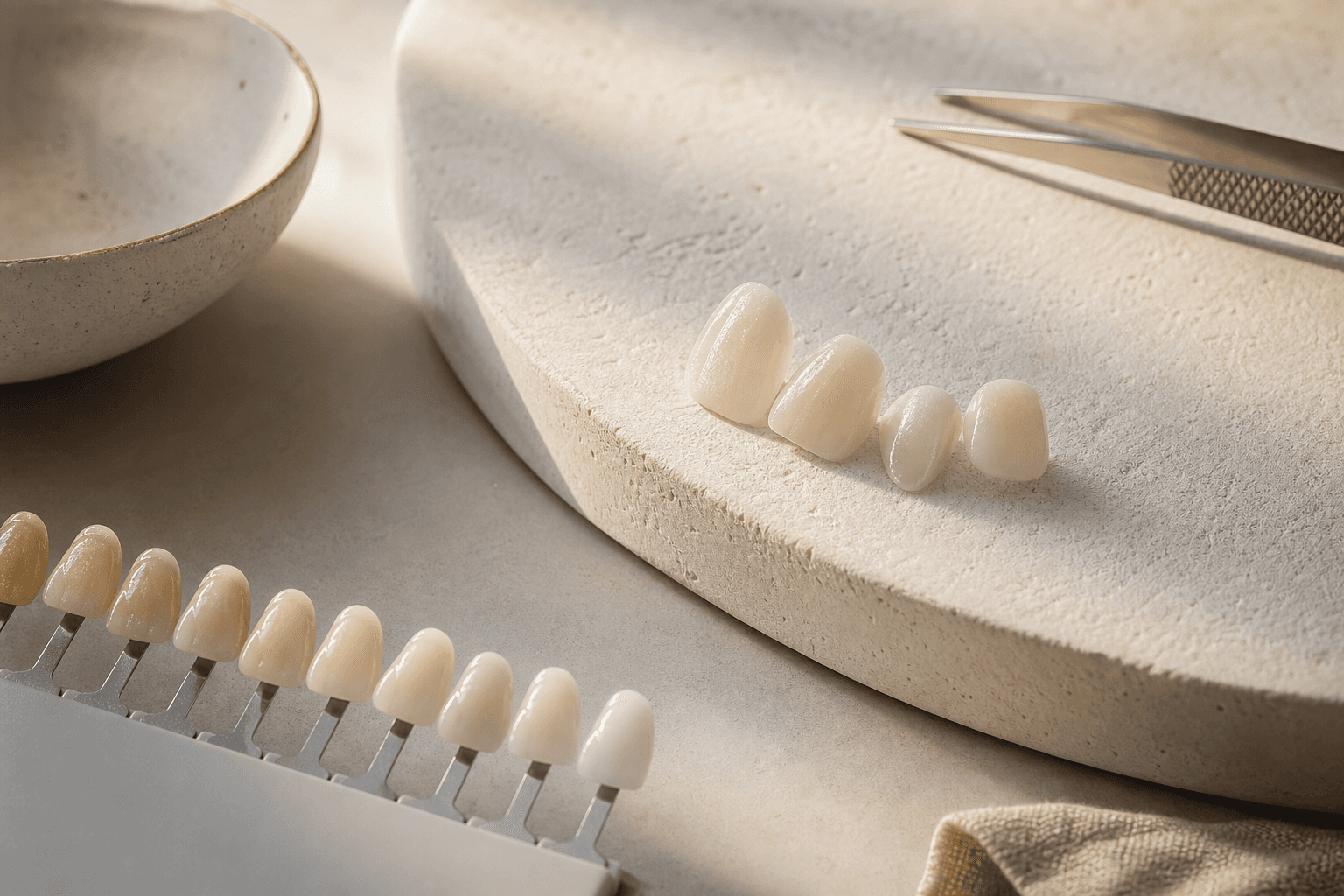
Dental Veneers
Hand-finished porcelain facings, planned on a digital model of your smile before a single tooth is touched.
Learn more
Smile Makeover
Every change you want, mapped as one plan — sequenced properly, previewed honestly, paced to suit you.
Learn moreReady to talk about dental bonding?
Small flaws sculpted away chairside, with your natural tooth left almost entirely alone.